FIAP, FactCheckAfrica and Wikimedia Nigeria Strengthen Electoral Information Integrity Ahead of Nigeria’s 2027 Elections

Abuja, Nigeria | 1 October 2026
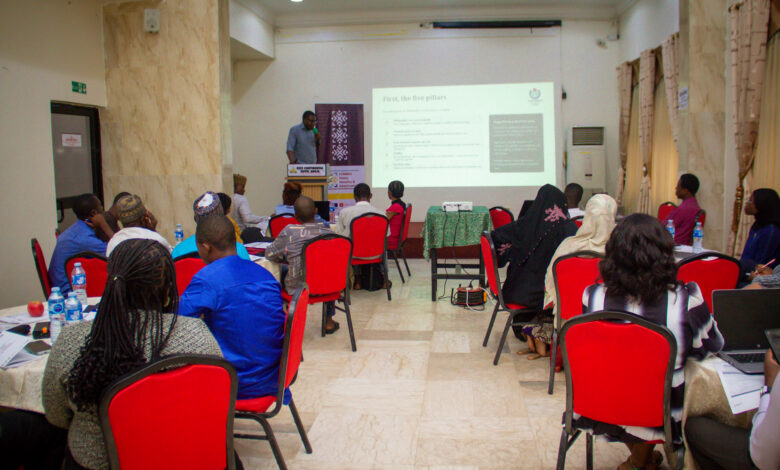
FIAP, through its implementing partner FactCheckAfrica, in collaboration with Wikimedia Nigeria, has concluded a three-day Interactive Media Seminar and Edit-a-thon designed to strengthen the capacity of Wikimedia editors, newsroom editors and fact-checkers to counter disinformation and improve the quality of election-related information available to the public ahead of Nigeria’s 2027 general elections.
The seminar, held from 28–30 September 2026 at Reiz Continental Hotel, Central Business District, Abuja, brought together professionals and open-knowledge contributors for practical training on information disorder, source verification, fact-checking, digital investigation and Wikimedia’s editorial standards. The activity was implemented under Activity 3.1.5a(7)ii of the EU Support to ECOWAS in Peace, Security and Governance (EPSG) Project, Thematic Area 1.
The Abuja seminar built on the same electoral-integrity intervention previously delivered in Lagos, while placing greater emphasis on converting verified fact-checking evidence into sustained Wikipedia contributions and practical newsroom workflows. Participants worked across professional tracks, combining the perspectives of Wikimedia editors, journalists and fact-checkers throughout the three-day programme.
The training examined how Wikipedia’s principles of neutrality, verifiability, reliable sourcing, transparency and community-based editing can contribute to a more resilient information environment. Participants also explored advanced sourcing practices, verification workflows and responsible engagement with sensitive sources, with particular attention to information that may influence public understanding of elections and democratic processes.
A central component of the seminar was the systematic mapping of FactCheckAfrica’s published fact-check corpus to Wikipedia content that could be corrected, updated or expanded. Rather than focusing primarily on individual political figures, participants were guided to identify high-value content areas relating to information disorder, media literacy, fact-checking frameworks and counter-disinformation efforts.
The programme also introduced two supporting resources developed under the EPSG activity: the Newsroom Template for Integration of Verified Content and the Quick Guide for Sensitive Interviews. The resources were presented as practical tools that participants could adapt within their newsrooms and editorial workflows beyond the training.
The cross-professional approach continued into the practical edit-a-thon on the third day. Fact-checkers provided source evidence and verification support, newsroom editors contributed editorial judgement and experience in communicating information to public audiences, while Wikimedia editors applied Wikipedia’s sourcing, neutrality and editorial requirements.
According to the Wikimedia Outreach Dashboard, the Abuja activity generated substantial contributions across Wikimedia projects. Participants recorded 30 articles created, 99 articles edited, 437 total edits, 36 editors, approximately 133,000 words added and 814 references added. The activity also recorded 13 Wikimedia Commons uploads and approximately 10,200 article views at the time of reporting.
The contributions extended beyond English-language Wikipedia. The activity dashboard recorded work across English, Hausa, Igbo and Yoruba Wikipedia, as well as work involving English-language draft space and other Wikimedia projects. This multilingual dimension provided an opportunity to strengthen the availability of verified and properly sourced public-interest information for different language communities.
The practical work focused on strengthening content relating to information integrity, electoral processes, media literacy and counter-disinformation concepts. Participants also worked on improving citations, cross-linking relevant articles, formatting references, assigning categories, uploading relevant media to Wikimedia Commons and exploring cross-project contributions through Wikidata.
The seminar’s collaborative structure was designed to create a continuing network of practitioners who can support one another beyond the three-day training. Group presentations and portfolio exercises required participants to identify priority articles, determine whether existing articles should be improved or new ones created, identify the fact-checking evidence supporting proposed changes and establish peer-mentoring arrangements for continued work.
Speaking on the significance of the intervention, Abideen Olasupo, Founder of FactCheckAfrica, said the collaboration between fact-checkers, journalists and Wikimedia contributors provides an important pathway for making verified information more accessible and durable within Nigeria’s information ecosystem.
“The goal is not simply to correct information once it becomes viral. It is to strengthen the systems through which accurate, well-sourced information is documented, reviewed and made accessible to the public. By bringing fact-checkers, journalists and Wikimedia editors together, we are creating a practical workflow that can support information integrity beyond the training room.”
The Abuja seminar is part of the broader EPSG intervention on mis/disinformation, fact-checking and artificial intelligence learning, which seeks to strengthen the capacity of relevant actors to respond to information threats affecting peace, security and democratic governance in the ECOWAS region.
The activity concluded with a post-training assessment, participant feedback, Take Action Forms, certificate presentation and commitments for continued collaboration. Participants were encouraged to sustain their Wikimedia contributions, strengthen verification practices within their respective organisations and collaborate across professional communities as Nigeria approaches the 2027 electoral cycle.
The Abuja seminar follows the Lagos edition held from 15–17 September 2026, extending the electoral-integrity intervention to another cohort of Wikimedia editors, newsroom practitioners and fact-checkers. The Abuja seminar closes Activity 3.1.5a(7)ii titled Wikimedia for Electoral Integrity: Strengthening Wikimedia Editors’ Capacity to Counter Disinformation in Nigeria, under Thematic Area 1: Mis/Disinformation, Fact-checking and AI Learning of the EU Support to ECOWAS in Peace, Security and Governance (EPSG) Project.
This activity is organised by the Fundación para la Internacionalización de las Administraciones Públicas (FIAP) in collaboration with FactCheckAfrica, under the framework of the EU Support to ECOWAS in Peace, Security and Governance (EPSG) Project.
The Fundación para la Internacionalización de las Administraciones Públicas (FIAP) is the Spanish Cooperation institution specialised in promoting the participation of public administrations in international cooperation programmes. Operating in more than 120 countries, FIAP mobilises public sector expertise to strengthen public institutions, democratic governance, and sustainable development through peer-to-peer cooperation.
Within the EPSG Project, FIAP contributes to efforts to strengthen democratic governance, peace and security through initiatives addressing electoral integrity, information disorder, civic participation and the prevention of electoral violence.
The EU Support to ECOWAS in Peace, Security and Governance (EPSG) Project is a multi-donor initiative designed to strengthen peace, democratic governance and regional stability within ECOWAS Member States. The project is supported by the European Union (EU), the German Federal Ministry for Economic Cooperation and Development (BMZ), and the Ministry of Foreign Affairs of Denmark (MOFA), and is jointly implemented by GIZ, Expertise France, and FIAP.
For media enquiries: Email: factcheckelections@gmail.com Telephone: +2347068775529
Website: https://factcheckafrica.net