FactCheckAfrica Trains 20 Young Nigerians to Strengthen Civic Information Access in Kwara

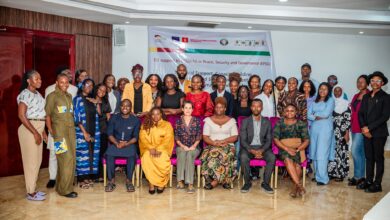
ILORIN, KWARA — FactCheckAfrica has trained 20 young Nigerians as part of efforts to strengthen access to reliable civic information through community-based audio communication networks in Kwara State, with support from Digital Democracy Innovation in Sub-Saharan Africa Fund.
The participants were brought together in Ilorin for the Project Sauti Civic Audio Leads Onboarding and Capacity Building Workshop, an initiative designed to develop a network of young civic information volunteers who can help take verified and accessible information to communities, including people who may have limited or inconsistent access to the internet.
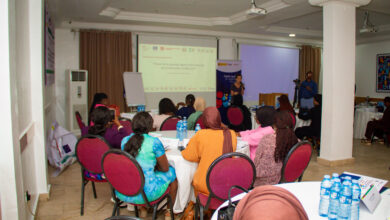
The workshop focused on misinformation, deepfakes, fact-checking, civic communication, local-language adaptation, and community-based information distribution. It also introduced participants to practical tools and strategies for verifying information and responsibly sharing verified civic content through trusted community networks.
Speaking during the training, Habeeb Adisa, Editorial Lead at FactCheckAfrica, led participants through discussions on the changing information environment and the challenges posed by misinformation and artificial intelligence-generated content.
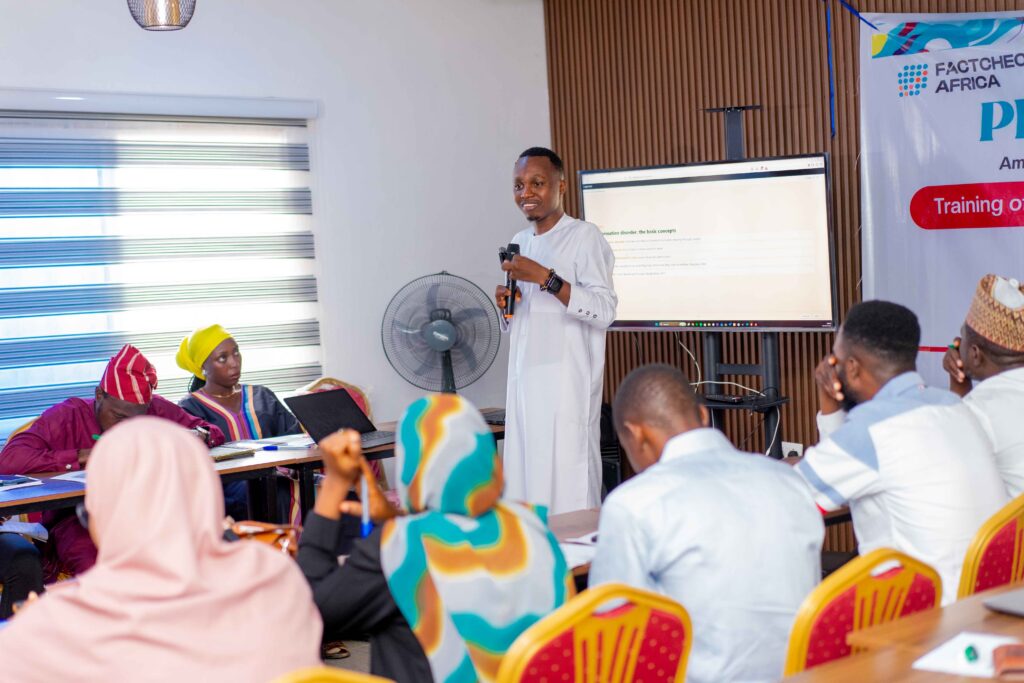
Adisa introduced participants to practical approaches for identifying and verifying potentially misleading information, while also demonstrating FactCheckAfrica’s verification tools, including MyAIFactChecker.
The session examined the growing challenge of misinformation at the local level and the need for citizens to develop practical verification skills before accepting or sharing information within their communities.
The training subsequently shifted from information verification to the question of how verified civic information can be made more accessible to people who may not regularly consume conventional digital or online content.
Mustapha Lawal, Program Lead at FactCheckAfrica, introduced participants to the objectives and methodology of Project Sauti and facilitated an interactive review of draft civic audio scripts.

During the session, participants examined the scripts and provided feedback based on their understanding of local communities, language, cultural context and everyday information needs. The exercise was designed to ensure that civic information is not only accurate but also understandable and relevant to the communities where it will be distributed.
The reviewed scripts will subsequently form part of the project’s AI-assisted voice recording process, through which civic information can be produced in accessible audio formats.
A major component of the workshop was the development of community-based distribution networks. Participants were introduced to the concept of WhatsApp Tree Networks, which uses existing community structures and trusted interpersonal relationships to distribute information beyond conventional online audiences.
The Civic Audio Leads explored how such networks could operate through market groups, youth organisations, community associations and other trusted channels. They also discussed responsible forwarding practices, voice-note tagging and ethical considerations around community engagement and information sharing.
The workshop further incorporated practical simulations to help participants understand how civic information moves from production to community consumption. Through mock distribution exercises, the Civic Audio Leads tested approved audio samples, practised sharing content through community networks and used feedback-tracking tools to examine how recipients interacted with the information.
The practical exercises were intended to move participants beyond theoretical knowledge by allowing them to experience some of the challenges involved in distributing civic information within real-world community settings.
The approach behind Project Sauti is based on the recognition that access to reliable information cannot depend solely on internet connectivity or conventional digital platforms.
By combining fact-checking, accessible audio content and trusted community networks, the project seeks to create additional pathways through which citizens can receive and engage with verified civic information.
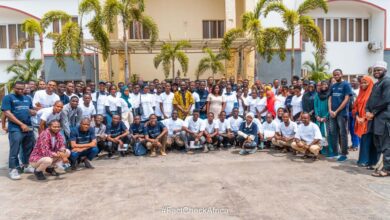
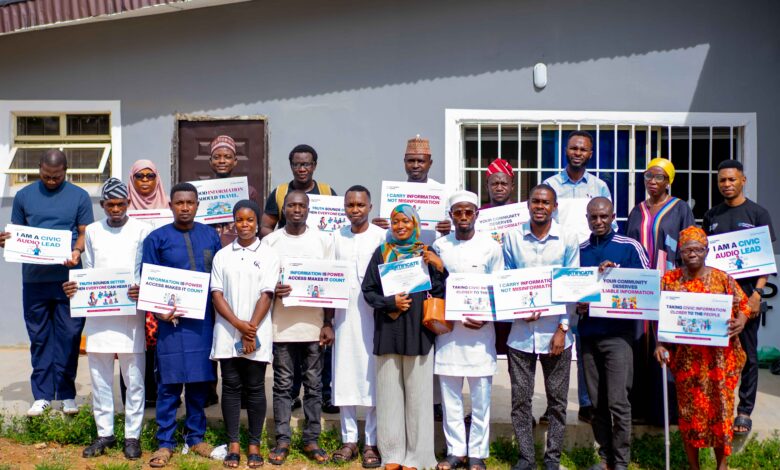
The 20 participants trained in Ilorin will serve as Civic Audio Leads across four Local Government Areas (LGAs) in Kwara State. They are expected to support the distribution of approved civic audio content within their respective communities and contribute feedback on how the information is received and understood.
FactCheckAfrica also expects the network to provide a community-level feedback mechanism that can help identify information gaps, emerging misinformation narratives and the communication needs of different communities.
The initiative forms part of broader efforts to strengthen information literacy and improve citizens’ ability to access, assess and use reliable information. The Project Sauti training therefore places equal emphasis on the production of credible information and the systems through which such information can reach people.
With 20 Civic Audio Leads trained across four LGAs, the Ilorin workshop marks the beginning of the next phase of the initiative: building and testing a community-powered network for distributing reliable civic information across Kwara State.
The work will continue through community engagement, audio-content distribution and feedback collection as the Civic Audio Leads begin applying the knowledge and tools acquired during the training.