FIAP and FactCheckAfrica Equip Young Advocates in Rivers State to Advance Women’s Social Media Advocacy Campaign on Electoral Participation

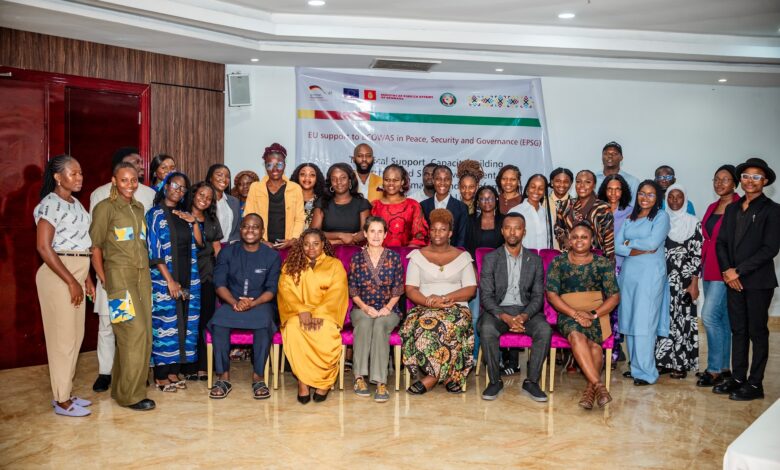
Rivers State, Nigeria | 13 August 2026
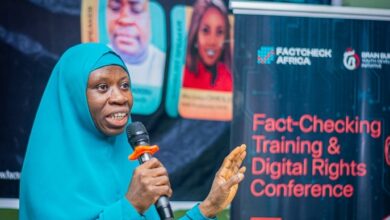
The Fundación para la Internacionalización de las Administraciones Públicas (FIAP), through its implementing partner FactCheckAfrica, convened a three-day regional training focused on strengthening the capacity of young advocates to design and deploy social media campaigns that promote women’s social media advocacy campaign on electoral participation.
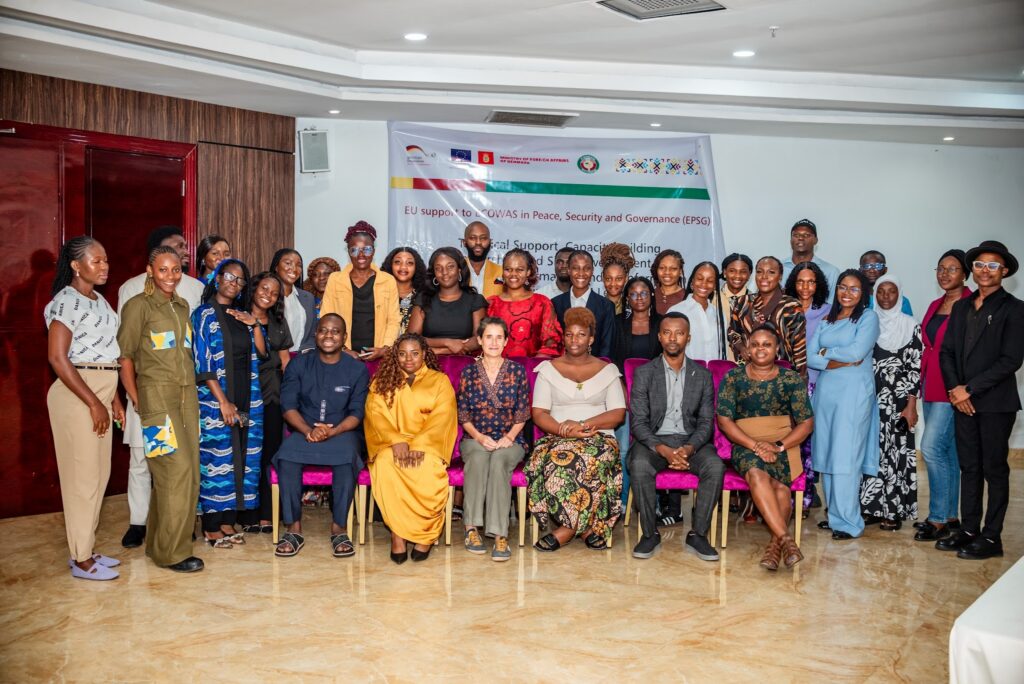
As Nigeria prepares for the 2027 general elections amid persistent gaps in women’s political representation and growing concerns over gendered disinformation, hate speech, online harassment, and other forms of digital exclusion, the three-day training in Rivers State brought together young advocates and digital communicators to explore how social media can be used to shift narratives and create greater space for women’s participation in political and civic life.
The training, held from 11–13 August 2026, forms part of Activity 3.1.5a(3)iii – Support to social media advocacy campaigns led by youth and focused on women, under Thematic Area 1: Mis/Disinformation, Fact-checking and AI Learning of the EU Support to ECOWAS in Peace, Security and Governance (EPSG) Project. The Rivers State training represents the Southern regional cycle of the activity, which is designed to engage 70 young advocates across two regional training cycles in Rivers State and FCT Abuja.
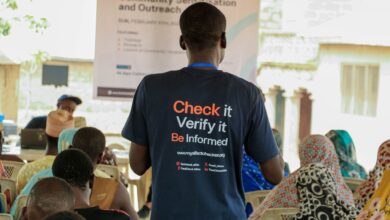
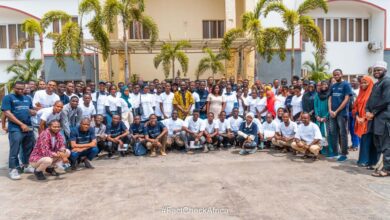
The training brought together participants from across the Southern geopolitical zones. The programme was designed around the recognition that young Nigerians are among the most active users and creators of digital content, placing them in a strategic position to challenge harmful narratives, amplify women’s voices, and shape public conversations about political participation.
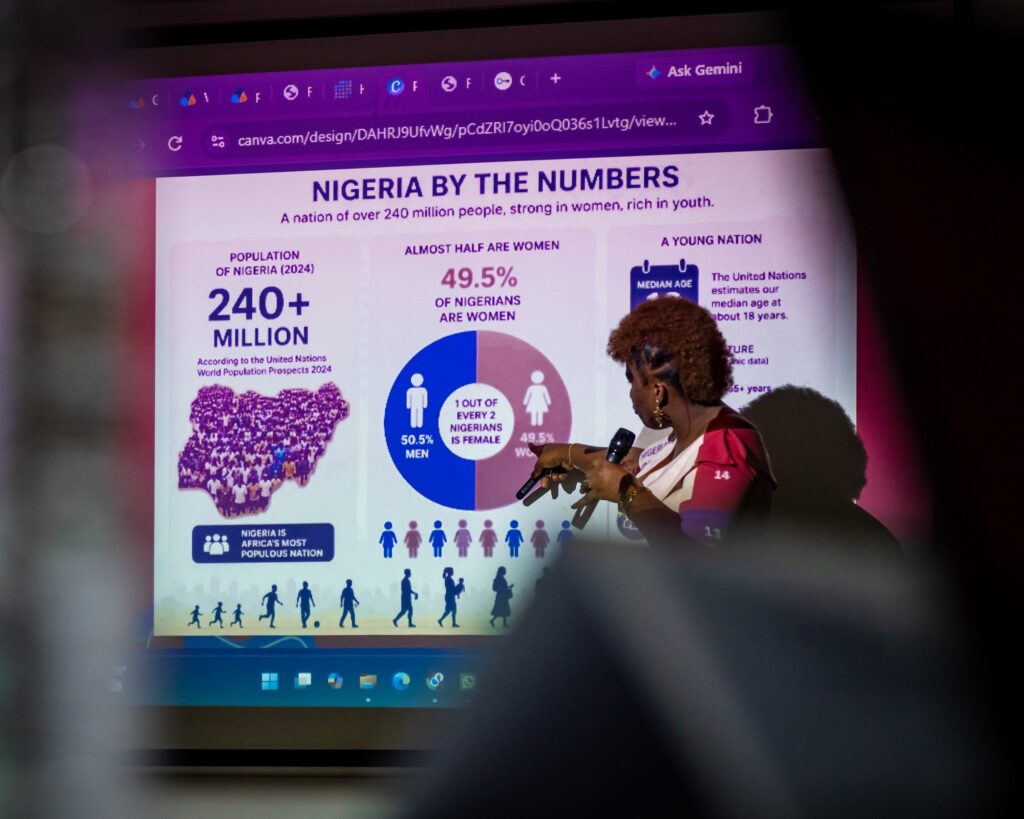
Over three intensive days, participants explored the intersection of gender, generation, political participation and digital advocacy, beginning with an examination of Nigeria’s gender-politics landscape and the barriers that continue to limit women’s participation in political processes. Participants were introduced to practical advocacy frameworks designed to help them move from identifying these challenges to developing campaigns capable of influencing public conversations.
A central component of the training examined disinformation and online harassment as tools of political exclusion. Participants explored how gendered disinformation, hate speech and coordinated online attacks can discourage women from participating in political and civic spaces, while examining practical approaches for responding to these threats and building safer digital advocacy campaigns.
Participants examined platform-native content creation, practicing adapting advocacy messages for platforms like Instagram, X, TikTok, Facebook, and LinkedIn. Adopting a practical campaign-development model, the programme guided participants through campaign foundations—including goals, target audiences, message pillars, communication boundaries, anticipated backlash, and content strategies.
On Day 2, participants co-created message pillars and developed compelling content, using the “Half the Room” animated explainer as an example of a pillar-driven asset on women’s political participation. To ensure post-training impact, participants created structured four-week content plans using the Feminist Content Calendar Template. They were also provided with reusable resources, including the Safe Campaigning Against Online Harassment Guide, Youth and Democracy in Nigeria Guide, and the “Half the Room” explainer.
The final day focused on safety, coalition-building, and deployment. Participants covered operational security, digital protection, responses to doxxing and harassment, legal options, and completed a safety pre-flight checklist. Through structured coalition exercises, participants formed peer accountability partnerships and cross-regional plans to foster long-term knowledge sharing and collective advocacy. The training concluded with a Campaign Launch Clinic and Peer Showcase, where participants refined no-cost campaign plans designed for deployment within 14 days.
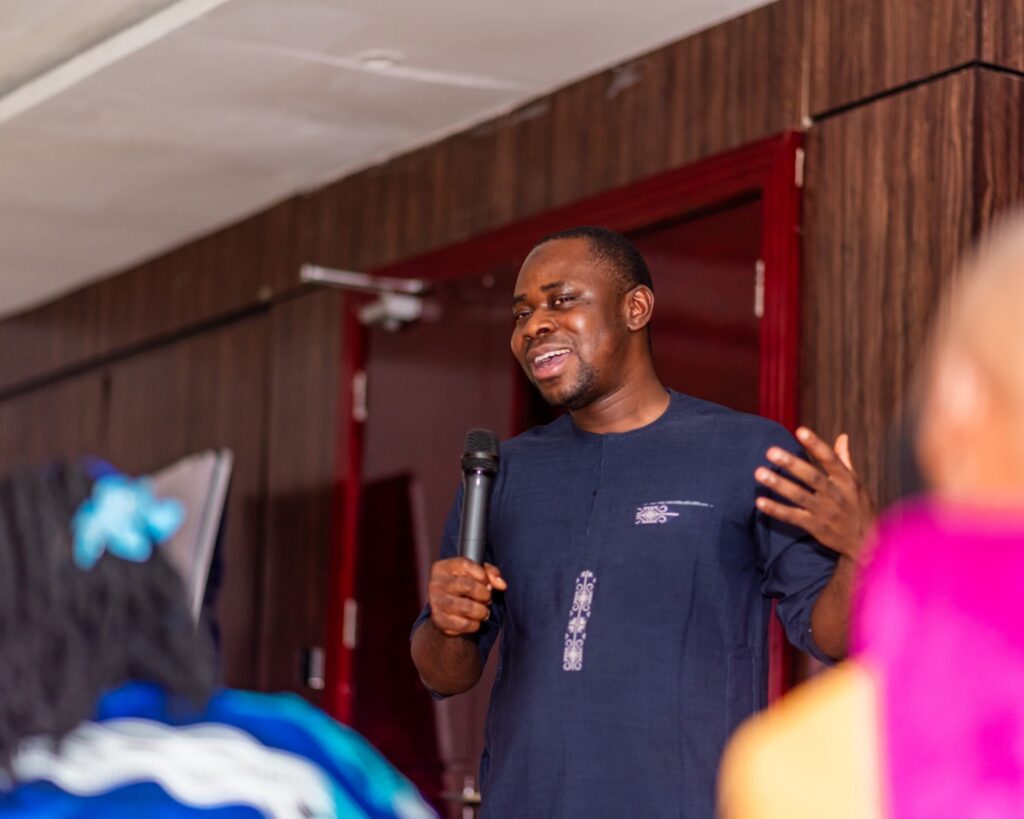
Speaking on the initiative, Abideen Olasupo, Founder of FactCheckAfrica, said:
“Women’s political participation is not only a question of representation; it is also a question of whose voices are amplified, whose experiences shape public conversations, and who feels safe enough to participate. Young people are already shaping Nigeria’s digital public sphere every day. Our responsibility is to equip them with the strategies, tools and safety frameworks to use that influence responsibly, challenge harmful narratives and create digital spaces where women can participate meaningfully.”
The Rivers State training is the first of two regional cycles under the activity. The second cycle is scheduled to take place in FCT Abuja from 18–20 August 2026, bringing together young advocates from Northern and Central zones. Together, the two cycles will engage 70 participants and support the development of youth-led social media advocacy campaigns focused on women’s political participation ahead of the 2027 electoral cycle.
Upon completion of the training, participants are expected to deploy their campaigns through their respective digital communities, apply the tools developed during the sessions, and participate in post-training accountability and coalition activities. The activity also provides for campaign tracking through participant self-reporting and campaign-hashtag monitoring during the post-training period.
Through this initiative, FIAP and FactCheckAfrica seek to strengthen the capacity of young Nigerians to use digital platforms as tools for inclusive civic participation, while addressing the information and safety challenges that can prevent women from participating fully in democratic processes.
The training forms part of Activity 3.1.5a(3)iii under Thematic Area 1: Mis/Disinformation, Fact-checking and AI Learning of the EU Support to ECOWAS in Peace, Security and Governance (EPSG) Project. The activity responds to the intersection of Nigeria’s gender and generational participation gaps by equipping young advocates with campaign design tools, safety infrastructure and coalition relationships needed to promote women’s political participation ahead of the 2027 electoral cycle.
This activity is organised by the Fundación para la Internacionalización de las Administraciones Públicas (FIAP) in collaboration with FactCheckAfrica, under the framework of the EU Support to ECOWAS in Peace, Security and Governance (EPSG) Project.
The Fundación para la Internacionalización de las Administraciones Públicas (FIAP) is the Spanish Cooperation institution specialised in promoting the participation of public administrations in international cooperation programmes. Operating in more than 120 countries, FIAP mobilises public sector expertise to strengthen public institutions, democratic governance, and sustainable development through peer-to-peer cooperation.
Within the EPSG Project, FIAP contributes to efforts to strengthen democratic governance, peace and security through initiatives addressing electoral integrity, information disorder, civic participation and the prevention of electoral violence.
The EU Support to ECOWAS in Peace, Security and Governance (EPSG) Project is a multi-donor initiative designed to strengthen peace, democratic governance and regional stability within ECOWAS Member States. The project is supported by the European Union (EU), the German Federal Ministry for Economic Cooperation and Development (BMZ), and the Ministry of Foreign Affairs of Denmark (MOFA), and is jointly implemented by GIZ, Expertise France and FIAP.
For media enquiries: Email: factcheckelections@gmail.com Telephone: +2347068775529
Website: https://factcheckafrica.net