AI as ‘Poison and Antidote’: Prof. Odunlami Calls for Ethical Use of Technology Against Misinformation


BY: Habeeb Adisa
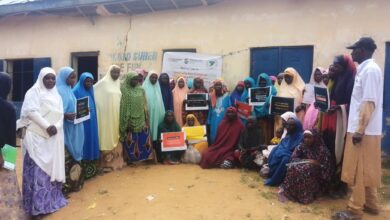
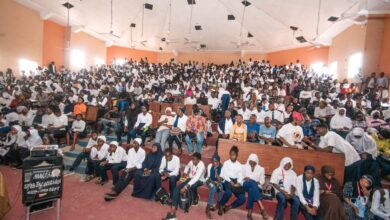
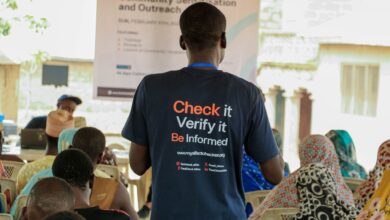
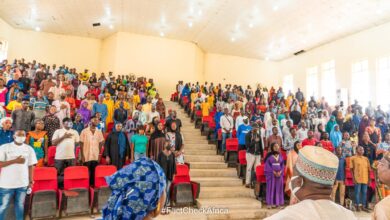
Media scholars, journalists, civil society actors and young digital innovators converged in Abeokuta on Monday, 9 February 2026, for the AI Fundamentals Workshop focused on the growing role of artificial intelligence in fact-checking, media accountability and democratic governance in Nigeria.
The workshop, organised by FactCheckAfrica implemented under the Nigeria Youth Futures Fund (NYFF) Catalyst Grant, held at ABIIS Hotels and Suites, Abeokuta, Ogun State, brought together participants from across the media, civic technology and youth advocacy ecosystem.
Delivering the keynote address titled “Poison as Antidotes: Role of Artificial Intelligence, Fact-Checking in Enhancing Media Accountability and Combating Misinformation,” Professor Dele Odunlami, Dean of the Faculty of Social Sciences, Olabisi Onabanjo University, Ago-Iwoye, described artificial intelligence as “the enemy you cannot hate.”
According to him, while AI has intensified the scale, speed and sophistication of misinformation through deepfakes, manipulated images and synthetic audio, it also offers powerful tools for detecting falsehoods, strengthening verification processes and promoting media literacy.
Just as AI can poison the information ecosystem, it can also serve as an antidote, Odunlami said, citing the increasing deployment of AI-assisted verification tools by fact-checking organisations, including FactCheckAfrica’s MYAIFactchecker.
He emphasised the constitutional responsibility of the Nigerian media to hold power accountable, especially as the country moves closer to the 2027 general elections. Odunlami warned that misinformation, if unchecked, could undermine democratic participation, public trust and electoral integrity.
Drawing lessons from Nigeria’s 2023 elections, the professor called for a shift from reactive fact-checking to proactive and pre-emptive strategies. He urged stronger collaboration among fact-checking organisations, technology platforms, regulatory agencies, civil society groups and youth-led initiatives to counter coordinated disinformation campaigns.
He also highlighted the need for investment in locally relevant AI tools capable of detecting AI-generated content, translating fact-checks into Nigerian languages and supporting media and information literacy at scale. According to him, such tools should be inclusive and accessible to underserved communities, including persons living with disabilities.
Beyond media literacy, Odunlami stressed the importance of integrating trauma literacy into digital education programmes, warning that prolonged exposure to toxic and misleading online content could contribute to mental health challenges.
Participants at the workshop engaged in hands-on sessions on AI-assisted verification, digital investigation techniques and ethical disclosure in the use of AI tools. The event forms part of ongoing efforts by FactCheckAfrica to strengthen accountability journalism, empower young people and build resilience against misinformation in Nigeria’s evolving digital democracy.