From Flood Warnings to Vaccine Claims: UK MEET Fellows Receive Training on Reporting Evidence

BY: Habeeb Adisa
In one hypothetical flood warning, residents were told that a river gauge was projected to exceed a 12.4-metre threshold by 6 a.m., with “discharge anomalies” indicated. Another translated the danger into nine words: “Flood expected tomorrow morning. Move to higher ground today.”
Neither was an actual emergency alert. The contrasting messages were part of a visual-storytelling exercise led by Gracie Imo, asking journalists to consider whether technically correct information could fail people who needed to act on it. The point was not to discard scientific detail, but to make its meaning clear without distorting the evidence.
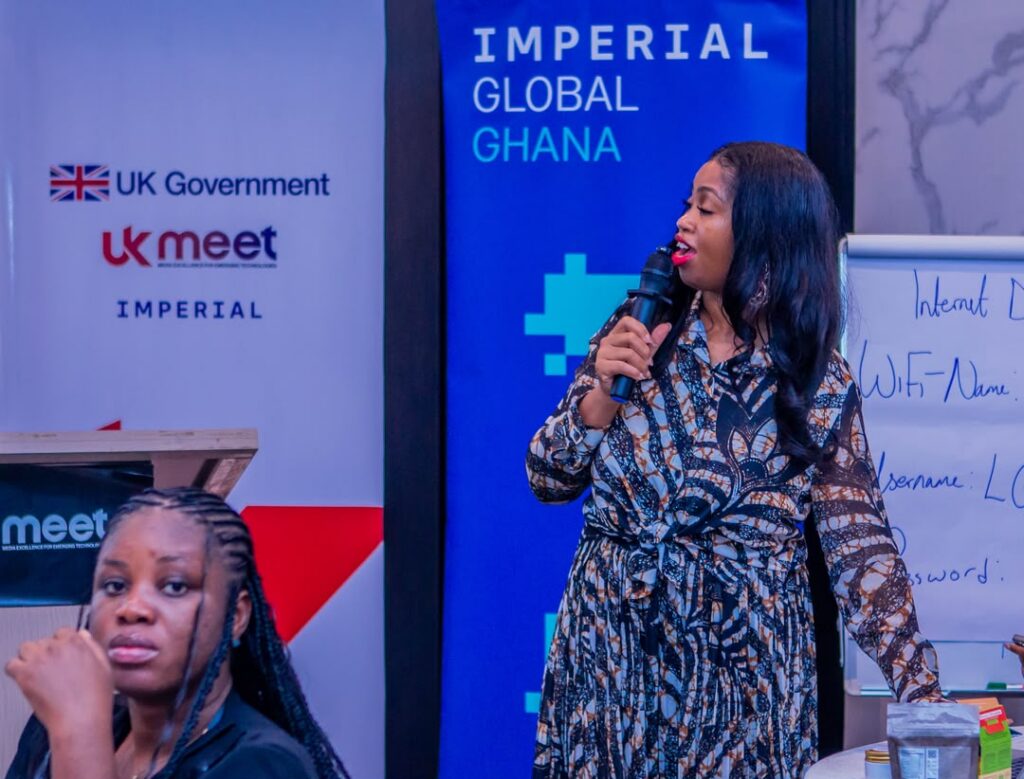
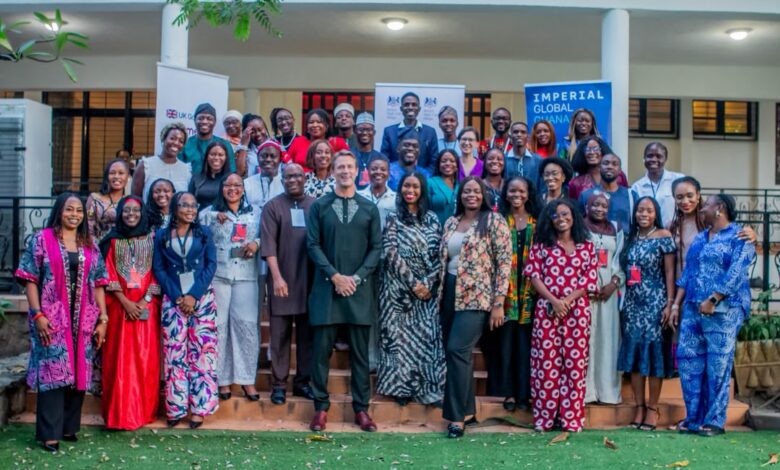
UK MEET Fellows in Abuja are currently receiving training on examining how technology claims, environmental risks and health findings should be questioned before they become headlines. The training is delivered by Imperial College London through Imperial Global Ghana, with British High Commission support.
A recurring problem links the otherwise different subjects: a technology announcement is not evidence that a system works; a programme launch is not proof of benefit; and a forecast is not an outcome already recorded.
An AI launch is not proof of deployment
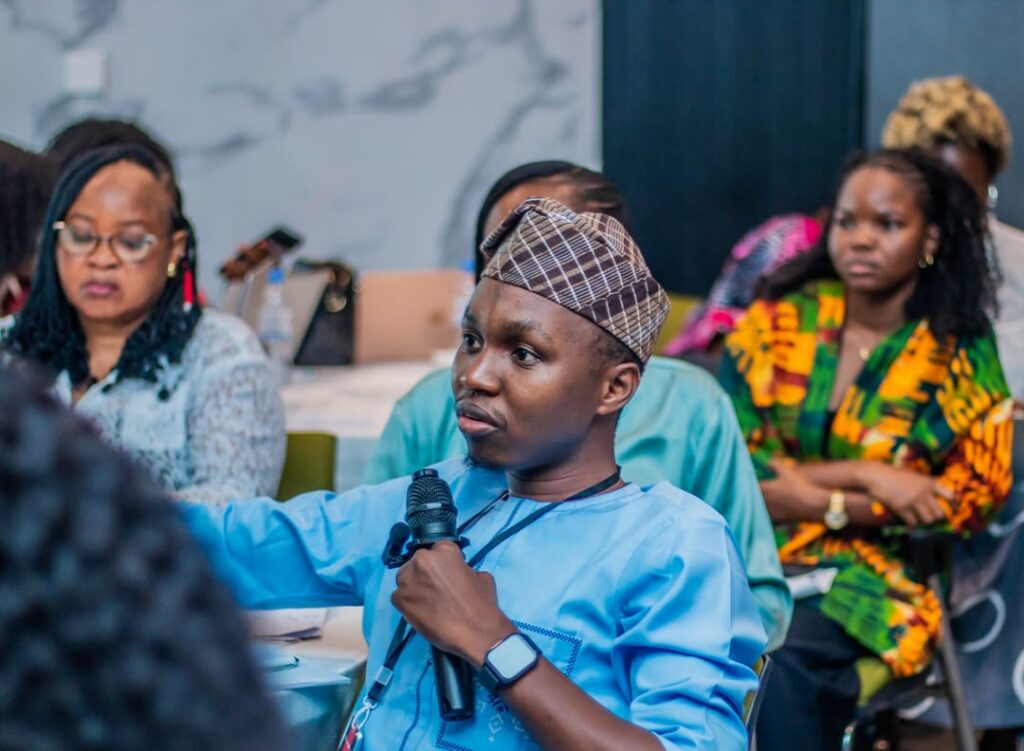
Monday’s opening panel put the challenge plainly in its title: “AI in Nigeria: What’s Deployed vs What’s in the Press Release”. Alex Tsado of Alliance4AI and Dr Simisola Akintoye of Northumbria University joined the discussion virtually, moderated by Chibueze Ewuzie of SCIDaR. It raised the questions a technology story should answer: where is a system operating, who uses it, how is its performance assessed and what evidence exists beyond promotional claims?
Ijeoma Okochi-Agwu, a programme, policy and partnerships manager at the UK Foreign, Commonwealth and Development Office, used the opening to urge journalists to scrutinise emerging-technology claims rather than repeat publicity.
A subsequent debate, moderated by Silas Jonathan of the Centre for Journalism Innovation and Development, divided fellows over whether AI’s risks to journalism’s accuracy and public trust outweighed its benefits. The sides were asked to argue from examples and evidence rather than defend a predetermined enthusiasm for, or fear of, the technology.
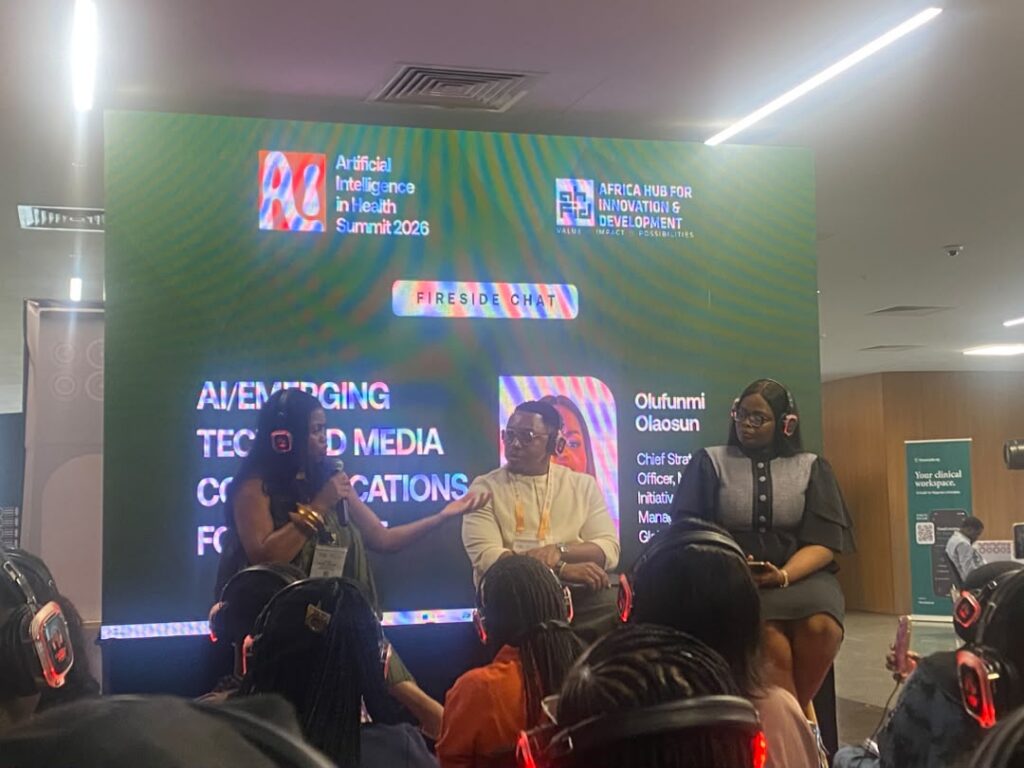
Other sessions addressed the craft of communicating the subject. Prince Nathaniel of Takeout Media worked with fellows on short-form AI content, while Timi Odueso of Tech Safari examined how to report technologies in emerging economies, using N-ATLAS as a case study. Later on Monday, fellows attended the AI in Health Summit 2026, convened in Abuja on 19–20 October by the Africa Hub for Innovation and Development (AHFID), where the fellows speak to researchers and innovators. This concluded with a fire side chat moderated by Amma Boakye Danquah, Associate Director, Imperial Global Ghana with medical doctor and content creator, Dr Chinoso Egemba, popularly known as Aproko Doctor and Olufunmi Olaosun, Programme Manager, UK MEET – NG serving as the panelists on the theme AI, Emerging Technology and Media Communications for Change.
Announcing a programme is not delivering its benefits
Folakemi Aletan, a UK PACT officer at the British High Commission, invited fellows to decide when a development intervention begins to count as impact. Is it when the project is announced, when its activities start, when an institution adopts the result, or when something changes for the people it is meant to serve?
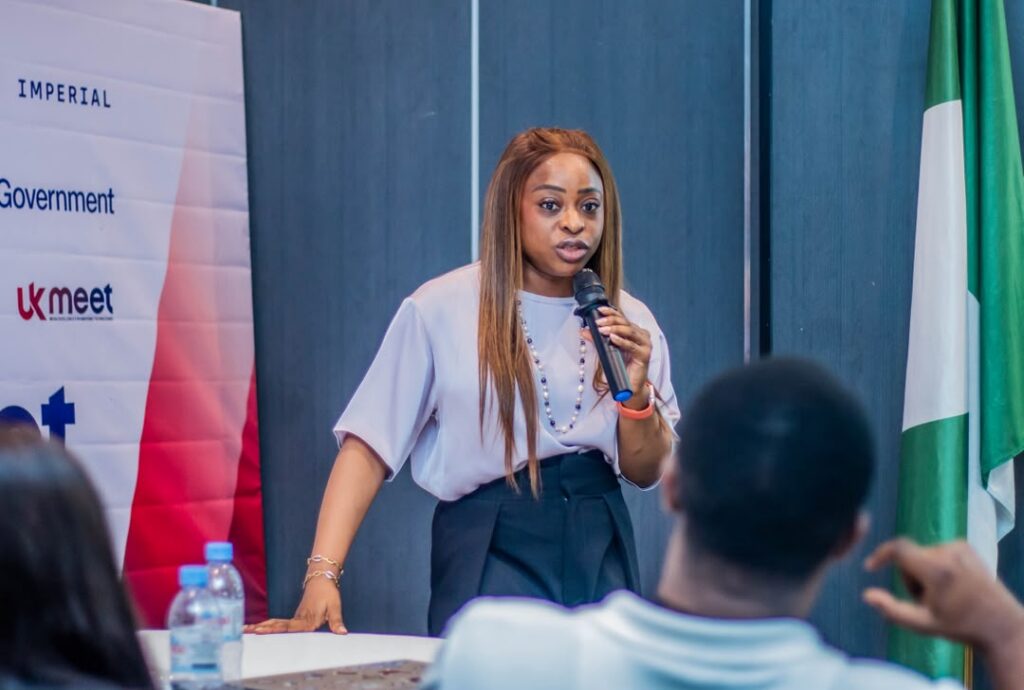
“The announcement is just the beginning,” Aletan told the participants. Her workshop followed the chain from intention to delivery, adoption and impact. An agreement signed or a tool introduced might be worth reporting, but neither settles whether public money was spent as intended or a service improved. The questions for journalists were who was responsible, what was funded, what had actually happened and what evidence would show a lasting result.
Lolade Awogbade, a green growth adviser at the UK Foreign, Commonwealth and Development Office, developed that argument through renewable energy, agriculture, climate data, mobility and waste. Discussing the Distributed Access through Renewable Energy Scale-up (DARES) programme, she asked journalists to look beyond headline funding amounts. According to the World Bank’s December 2023 announcement, the programme is backed by a $750 million International Development Association credit and aims to give more than 17.5 million Nigerians new or improved electricity access. Those figures establish the financing and intended reach, not the eventual result. The reporting test is whether households and businesses receive power that is reliable, affordable and maintained.
A panel on covering climate disasters pushed reporters towards similar accountability questions. Goodness Chibunna, of TheCable, urged attention to the people living with the consequences of flooding, including a question often missed by casualty-based coverage: “What has this flooding cost you?” The discussion also considered warnings, drainage, preparedness and whether emergency and recovery spending produced improvements.
The visit to the British High Commissioner’s residence in Abuja, hosted by Pete Vowles, the current British High Commissioner to Nigeria, brought a memorable close to a day of practical learning, debate and reflection. The engagement provided an opportunity for UK MEET Fellows to network, exchange ideas and build connections while receiving commendation for their commitment to evidence-based science reporting.
In his interaction with the fellows, Vowles highlighted the importance of the fellowship in strengthening journalists’ capacity to communicate scientific evidence accurately, challenge misinformation and help the public and policymakers make informed decisions. The visit underscored the value of continued UK–Nigeria collaboration in promoting responsible science journalism and fostering stronger links between research, the media and society.
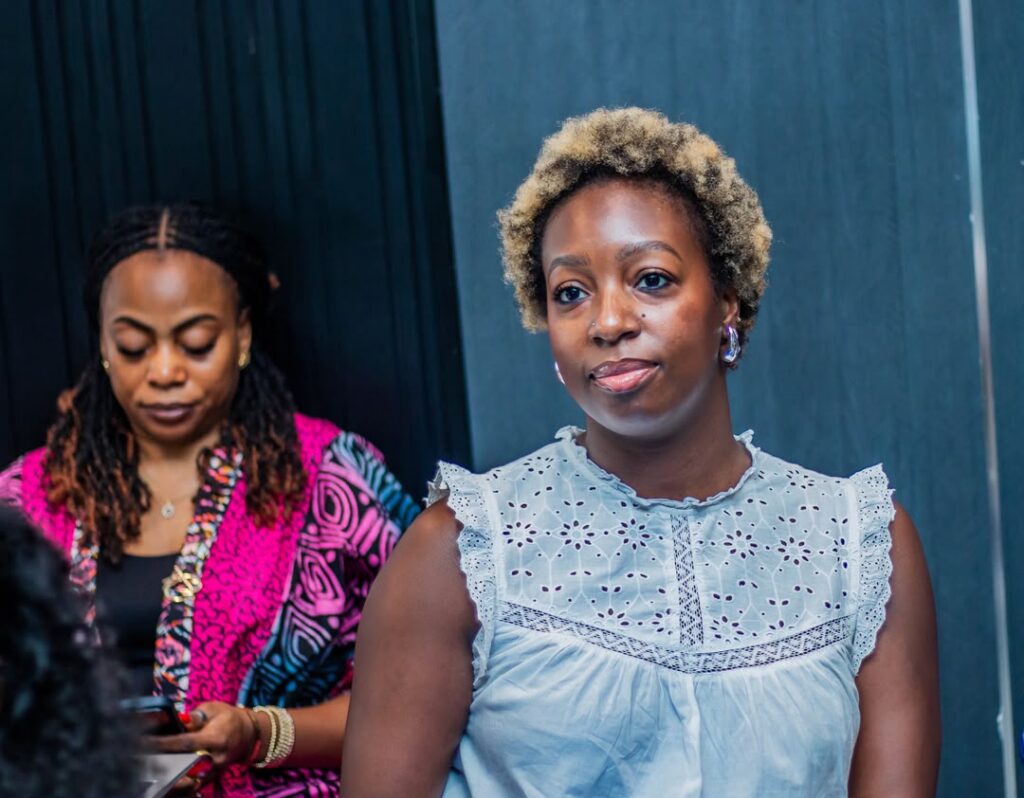
In Hauwa Shaffii Nuhu’s “Controversy Room”, fellows tested rival explanations for severe flooding: climate change and weak adaptation on one side, governance and damaging human behaviour on the other. The exercise asked what each position could substantiate and which facts were missing, rather than treating a persuasive argument as proof of the causes of a particular disaster.
A flood-risk estimate is not a flood record
Practical data sessions made the distinction measurable. The Nigeria Hydrological Services Agency’s 2026 Annual Flood Outlook maps 705 communities at risk in Mobbar Local Government Area of Borno State, with a modelled maximum flood depth of 2.98 metres. Its table lists 620 communities at risk in Maiduguri and 354 each in Gubio and Jere. These are estimates of exposure, not claims that all the communities have flooded. The agency cautions that the at-risk count depends on the completeness of the underlying data.
In a skills lab with Taslim Salaudeen of Milsat Technologies and Funmilayo Babatunde of Dataphyte, participants examined how to clean datasets, select charts and map patterns without stripping figures of their units, dates or limitations. A separate exercise used monthly rainfall estimates for Abuja Municipal Area Council across 2005, 2015 and 2025. Such work demands more than making a graphic attractive: a chart can mislead by confusing predicted exposure with measured damage or by omitting what its data cannot show.
That is also why Imo’s opening contrast mattered. A technical forecast can be reliable and still be unusable to its intended audience; an easily understood warning must, in turn, remain faithful to the underlying science.
A projected vaccine benefit is not a child already protected
Wednesday shifted to biomedical innovation and digital health. During a clinical-risk workshop led by Nkechi Isaac of ScienceNigeria.com and Chibuike Alagboso of Nigeria Health Watch, fellows were challenged to rewrite a malaria-vaccine announcement while keeping its qualifications visible.
In November 2025, Gavi and UNICEF announced an agreement to reduce the price of the R21 malaria vaccine to $2.99 a dose. As of 21 October, the lower price was still expected to take effect around November 2026. The organisations projected savings of up to $90 million over five years, potentially paying for more than 30 million additional doses and the full vaccination of nearly seven million more children. The announcement did not establish that the savings had been realised or the children vaccinated. A headline saying the deal “has protected seven million children” would therefore turn a projection into an achievement.
The group also practised correcting a fictional WhatsApp claim that one injection provided lifelong protection against malaria and made mosquito nets unnecessary.
A pitch is not yet an investigation
The pitch-development session Wednesday, investigative journalist Kunle Adebajo of AAOSI challenged fellows to move from appealing topics to proposals backed by people, documents and a realistic reporting plan. He discussed accessing sources, protecting identities, making a convincing case to editors or funders and accounting for the costs and risks of original investigations.
He also challenged the temptation to let generative AI write a pitch that a reporter could not execute. “AI just doesn’t know whether you can get the sources,” he told the fellows. “It doesn’t know whether the community even exists.” An elegant proposal, in other words, cannot substitute for access, preliminary findings or fieldwork.
The residential is scheduled to cover electronic waste and the circular economy on Thursday, followed by election-period technology reporting, a newsroom simulation and story pitches on Friday. For me, the sessions have connected his existing interests with reporting methods across unfamiliar subject areas.
Dr Aisha Umar, chief medical officer of the African Medical Centre of Excellence (AMCE) in Abuja, spoke to fellows before their visit to the hospital. Her subject was the difference between evidence that a medical treatment can work and the readiness of a facility to provide it safely, repeatedly and with appropriate follow-up.
She asked the fellows to treat equipment displays and announcements about new procedures as reporting leads: how many patients had received a procedure, and what arrangements were in place to deliver the service safely and consistently? That challenge carried particular force because it came from the chief medical officer of the hospital the fellows were preparing to visit.
Whether the subject is AI software, flood protection or a new medical procedure, that rule asks journalists to leave an event with more than its organisers’ preferred headline.