Abdullateef Sebiotimo reports,
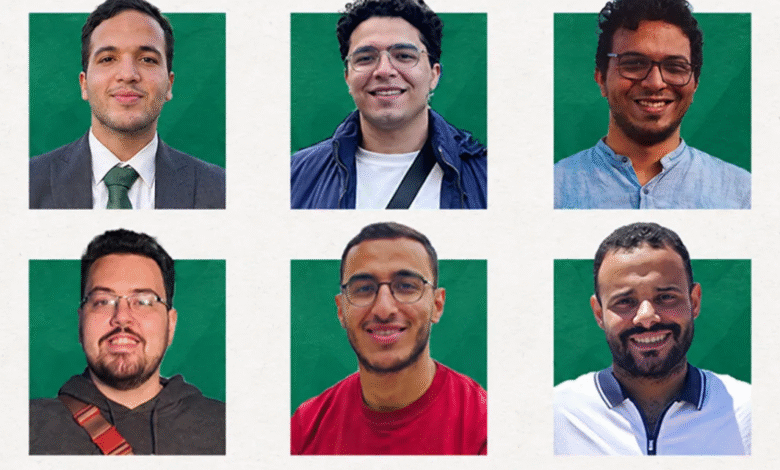
The Africa Facts Network has condemned the arrest and detention of six journalists with Egyptian fact-checking platform Matsda2sh, calling for their immediate release and investigation into allegations that they were tortured in custody.
The 6 journalists; Abdullah Qadry, Mohammed Ashraf Abu Emeira, Islam Barakat, Omar Helal, Mohammed Mahmoud and Mohammed Adel were arrested during security raids on September 28 and 29, according to the network and media rights organisations.
The arrests targeted the journalists’ homes, with security forces also reportedly confiscating electronic devices belonging to some of them. They were subsequently brought before Egypt’s Supreme State Security Prosecution, where they faced charges including joining a terrorist group and spreading false news.
Egyptian authorities have also accused Matsda2sh of having links to the Muslim Brotherhood and receiving foreign funding, allegations the platform’s leadership has rejected.
Matsda2sh, whose name means “Don’t Believe”, is an Egyptian fact-checking and investigative journalism platform founded in 2018. It has reported on misinformation and other issues of public interest in Egypt and the wider region.
The arrests have attracted concern from press freedom and human rights organisations, particularly because all six members of the platform’s newsroom were detained in the same operation.
The Committee to Protect Journalists, Reporters Without Borders and Human Rights Watch have called for the journalists’ release and raised concerns over the charges brought against them.
The case has also raised allegations of physical abuse during detention. Lawyers representing the journalists said some of them told prosecutors they had been beaten, blindfolded, stripped and subjected to electric shocks while in the custody of the National Security Agency.
The journalists also reportedly alleged that they were forced to record videos containing fabricated confessions and were threatened during their detention.
Egypt’s Ministry of Interior has denied the torture allegations, describing them as unfounded and saying the claims were intended to divert attention from the accusations against the journalists.
The Egyptian Journalists Syndicate has nevertheless filed a complaint with the Prosecutor General over the alleged abuse and called for the claims to be investigated. The journalists were ordered to remain in pretrial detention for 15 days while investigations into the allegations and charges continue.
Reacting to the arrests, the Africa Facts Network described the detention of the six journalists as an attack not only on individual media workers but also on the work of fact-checking organisations.
The network said the journalists’ detention undermines the ability of fact-checkers to verify information and contribute to public accountability, particularly in an environment where misinformation remains a growing concern.
“The currency of trust is more valuable now than ever,” the network said, citing its commitment under the Accra Declaration on Information Integrity and Resilience.
The Africa Facts Network called on the Egyptian government to immediately and unconditionally release the six journalists and withdraw what it described as fabricated charges against them.
It also demanded an independent and transparent investigation into the allegations of torture and called for those found responsible to be held accountable.
The network further urged the Egyptian government to stop what it described as the intimidation and criminalisation of independent journalism and fact-checking organisations in the country.
It called on international and regional human rights organisations, media freedom groups and other stakeholders to join its call for the journalists’ release.
The Africa Facts Network is a pan-African coalition of fact-checking organisations working across more than 35 African countries. It represents 58 independent fact-checking organisations on the continent. FactCheckAfrica, a member of the network, is among the organisations working within the wider African fact-checking community to strengthen information integrity and counter misinformation