BY: Mustapha Lawal
As Ekiti State conducts its governorship election, two technologies will play a central role in the process: the Bimodal Voter Accreditation System (BVAS) and the INEC Result Viewing Portal (IReV). Although both tools have become familiar parts of Nigeria’s electoral process, misconceptions about what they actually do continue to fuel misinformation. Understanding their functions can help citizens separate genuine concerns from false narratives.
What BVAS Does
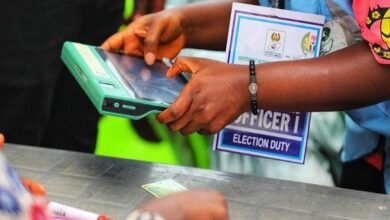
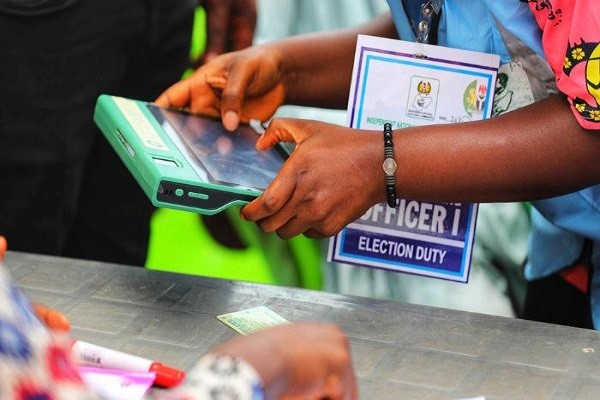
BVAS is an electronic device used by INEC officials to verify voter identity before accreditation. The device uses fingerprint and facial recognition technology to confirm that a voter is the legitimate owner of a Permanent Voter Card (PVC). Without successful BVAS accreditation, a voter cannot proceed to cast a ballot. BVAS is therefore primarily an accreditation tool.
Reports are that INEC plans to deploy more than 2,400 BVAS devices and nearly 10,000 ad hoc personnel across Ekiti state.
What BVAS Does Not Do
A common misconception is that BVAS automatically counts votes or determines election winners. It does not.
BVAS verifies voters and supports result upload processes, but election results are still generated from ballots cast at polling units. Claims that BVAS itself “changed votes” should be carefully scrutinized and supported with evidence.
What IReV Does
The INEC Result Viewing Portal allows citizens, journalists, observers, and political parties to view polling unit results uploaded by election officials. The portal was designed to improve transparency and provide public access to election documents. It enables citizens to independently compare declared results with uploaded polling unit records.
What IReV Does Not Do
IReV is not a result collation platform. Many Nigerians mistakenly assume that delayed uploads automatically mean election manipulation. An upload delay may result from network challenges, device issues, or operational bottlenecks. A delayed upload alone does not prove rigging.
Why This Matters
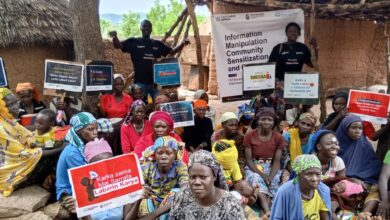
Misinformation often thrives where public understanding is limited. False claims about BVAS failures or IReV delays can quickly spread online and undermine confidence in the electoral process. Citizens should evaluate claims carefully and rely on verified information rather than assumptions. The strength of an election depends not only on technology but also on public understanding of how that technology works.