BY: Mustapha Lawal
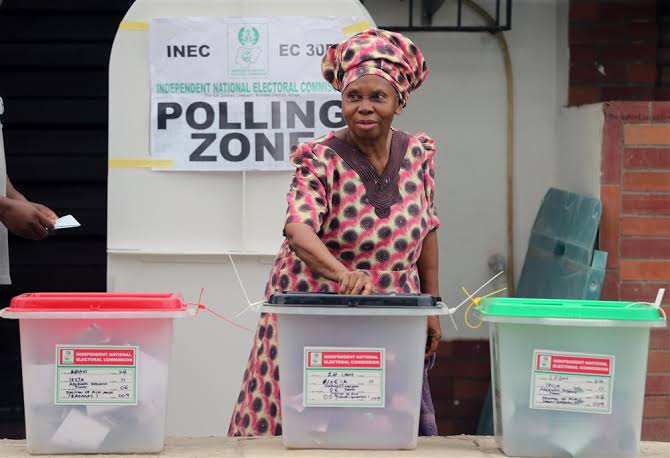
As voters across Ekiti State head to polling units on Saturday, June 20, they will not only be participating in a governorship election. They will also be navigating an information battlefield.
In recent years, elections in Nigeria have become fertile ground for misinformation, manipulated videos, fake results, recycled violence footage, and fabricated statements attributed to electoral officials and political actors. While the Independent National Electoral Commission (INEC), security agencies, journalists, and election observers prepare for the physical conduct of the poll, citizens must also prepare to confront a parallel challenge: information pollution.
The 2026 Ekiti Governorship Election will take place across 16 Local Government Areas, 177 wards, and 2,445 polling units. More than one million registered voters are expected to participate. At the same time, thousands of posts, videos, images, and voice notes will circulate online claiming to provide “breaking updates” about voting, security incidents, results, and alleged electoral manipulation.
History shows that not all of those claims will be true.
Beware of Early Election Results
One of the most common forms of election misinformation involves premature result announcements. Under Nigeria’s Electoral Act, only INEC has the legal authority to announce official election results through designated returning officers. No political party, observer group, media organization, social media influencer, or polling unit agent can declare a winner.
If you encounter posts claiming a candidate has won while voting or coalition is still ongoing, treat such information with caution. The safest approach is to wait for official announcements and verify results through INEC’s Result Viewing Portal (IReV).
Watch Out for Recycled Violence Videos
Election periods often trigger the circulation of old videos falsely presented as current events. A video from another state, another country, or even another year may suddenly appear online with claims that it shows violence in Ekiti.
Before sharing such content, ask simple questions:
- Where was the video first published?
- Does the person sharing it provide evidence of location and date?
- Have credible media organizations reported the incident?
- Do visible landmarks actually match the claimed location?
Many viral videos lose credibility once their original source is identified.
Deepfakes and AI Manipulation Are Growing Threats
Election misinformation is no longer limited to edited photos. Advances in artificial intelligence now make it possible to generate convincing audio recordings, fabricated speeches, and realistic images depicting events that never happened.
A candidate may appear to endorse an opponent. An electoral official may appear to announce false results. A security officer may seem to issue directives that were never given.
Before believing sensational audio or video clips, look for corroboration from trusted news organizations and official sources.
Verify Before You Amplify
The pressure to be the first person to share information often contributes to misinformation. Information shared in haste can influence voter behaviour, create panic, suppress turnout, or undermine confidence in the electoral process.
Before forwarding any election-related claim:
- Check the source.
- Look for independent confirmation.
- Search whether fact-checkers have already investigated the claim.
- Ask whether the information comes from an official authority.
A few minutes of verification can prevent thousands of people from being misled.
Citizens Are Not Just Voters. They Are Information Gatekeepers
Every election produces winners and losers. But every election also produces narratives. The quality of those narratives depends largely on the choices citizens make when consuming and sharing information. As Ekiti voters head to the polls, protecting the integrity of information is as important as protecting the integrity of the ballot. Democracy depends not only on votes being counted correctly, but also on citizens being informed accurately.