BY: Abayomi Abdulwaliyy Jolayemi
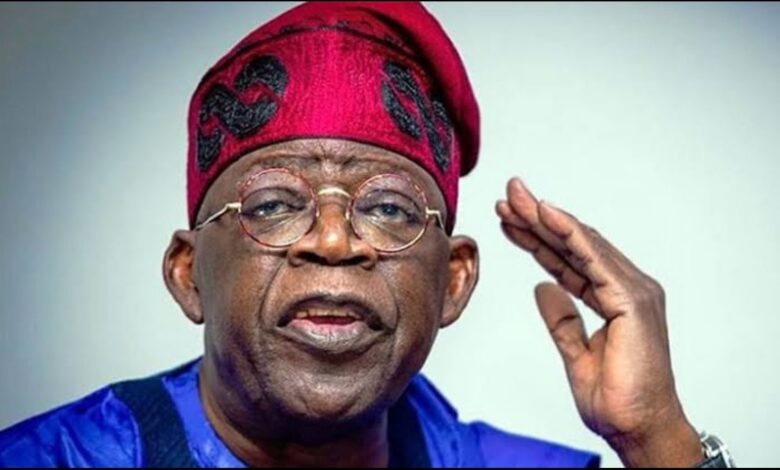
President Bola Ahmed Tinubu is not personally attending the high-level segment of the 81st United Nations General Assembly (UNGA) in New York in September 2026. Instead, Vice President Kashim Shettima is representing him and leading Nigeria’s delegation. The Federal Government says Shettima has the full mandate to represent Nigeria, deliver the country’s national statement and participate in high-level meetings and bilateral engagements.
The decision has attracted attention because this is the third consecutive UNGA at which Tinubu has delegated Nigeria’s representation to Shettima. The Presidency has explained the 2026 absence in terms of Tinubu’s ongoing working vacation and his focus on domestic priorities, while other political actors and commentators have raised questions about whether there are additional reasons behind the decision.
The issue has also become connected to renewed discussion about Tinubu’s historical legal records in the United States and a recent U.S. Freedom of Information Act (FOIA) case involving records relating to historical investigations.
This explainer looks at what the Presidency has actually said about Tinubu’s absence, what is known about his previous UNGA attendance, the historical U.S. issues being discussed and the other questions being raised around his decision not to attend personally.
Tinubu’s UNGA Attendance: What Happened Between 2023 and 2026?
Tinubu personally attended the 78th United Nations General Assembly in September 2023, shortly after becoming president. He arrived in New York on September 18, 2023 and delivered Nigeria’s national statement at the General Debate on September 19.
Tinubu did not personally attend the 79th UNGA in 2024, with Vice President Kashim Shettima representing him. He also did not personally attend the 80th UNGA in 2025, with Shettima again representing Nigeria.
For the 81st UNGA in 2026, the Presidency announced that Shettima would once again lead Nigeria’s delegation. The announcement said the delegation would include senior government officials and that Shettima would represent the President at the General Assembly.
The Federal Government subsequently confirmed that Shettima would deliver Nigeria’s national statement and participate in high-level engagements during the General Assembly. Tinubu’s non-attendance at the high-level UNGA has therefore occurred in 2024, 2025 and 2026, after he personally attended in 2023.
What Reasons Has the Presidency Given for his 2026 Absence?
The Presidency’s explanation for the 2026 absence is centred on Tinubu’s working vacation and domestic priorities.
In a September 21 statement, the Federal Government said Tinubu was on annual leave and had mandated Shettima to represent him at the UNGA. It said Shettima was carrying the President’s full mandate and would advance Nigeria’s priorities on peace and security, economic development, climate action, reform of the global financial architecture, sustainable development and international cooperation.
The State House separately announced on September 21 that Tinubu had extended his working vacation by a few days and was expected to return to Nigeria at the weekend. According to the statement, Tinubu had departed Nigeria on August 30 for London, subsequently travelled to Paris and continued directing government affairs while away.
The Presidency also said Tinubu had continued to handle matters of state during the vacation, including directing an investigation into the deaths of 37 suspected illegal miners in Minna.
A separate explanation came from Ademola Osodi, the Senior Special Assistant to the President on Foreign Affairs and Protocol. Speaking on Channels Television’s Sunday Politics, Osodi said Tinubu was concentrating on domestic concerns, particularly the economy and security, while also participating in other international forums considered important to Nigeria.
Therefore, the reasons publicly given by the Presidency are Tinubu’s ongoing working vacation, domestic priorities such as the economy and security, and the decision to have the Vice President represent Nigeria at the UNGA.
What has the Presidency said about the Claims of U.S Connection?
The question of whether Tinubu’s absence is connected to the United States has also been addressed by the Presidency. Osodi rejected suggestions that Tinubu had a problem with the United States that was preventing him from travelling there. He pointed to Tinubu’s previous physical presence in the United States, including the President’s attendance at the 2023 UNGA in New York.
Osodi said he was personally with Tinubu during the 2023 UNGA visit and recalled the President’s meetings in New York, including an appearance at the stock exchange. He also said he had accompanied Tinubu when the President transited through Los Angeles on a later trip to Japan.
This is an important part of the public record because it establishes that Tinubu did travel to the United States and personally attend the UNGA in New York in 2023.
Did Tinbu Visit the United States in 2023?
Yes.Tinubu travelled to New York in September 2023 for the 78th UNGA. The State House announced his attendance ahead of the trip, including his planned participation in high-level UN meetings, bilateral engagements and meetings with international business leaders.
Channels Television also reported his arrival in New York on September 18, 2023, ahead of his participation in the General Assembly.
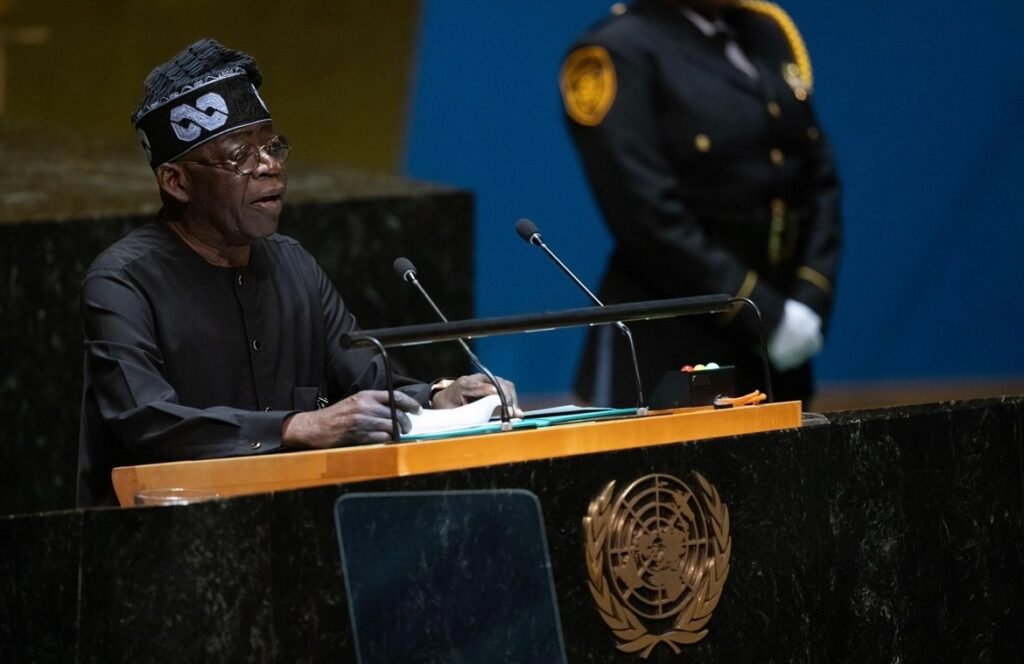
Tinubu subsequently addressed the UN General Debate on September 19, 2023. This does not by itself answer every question about his current absence. However, it is relevant because it shows that Tinubu previously travelled to the United States as President and attended the UNGA there.
What Other Issues are being raised about his Absence?
Although the Presidency has given its explanation, the repeated absence has generated questions from political opponents and other commentators.
Former Vice President Atiku Abubakar has specifically called for an explanation of Tinubu’s third consecutive UNGA absence. He questioned whether issues surrounding Tinubu’s historical relationship with U.S. authorities had affected Nigeria’s foreign relations.
Atiku’s statement also raised broader questions about the value of presidential attendance at the UNGA, including opportunities for bilateral meetings, investment discussions, development financing and diplomatic engagement. These are arguments made by Atiku, rather than findings independently established by the Presidency or another authoritative body. C
Other political actors have also criticised the repeated absence. The African Democratic Congress, for example, questioned the absence of both Tinubu and Shettima from Nigeria at the same time, while the Presidency maintained that governance continued and that Tinubu remained in contact with officials at home. These criticisms are part of the public debate surrounding the President’s absence. They should be distinguished from the official explanation given by the government.
What about Questions on Tinubu’s U.S Legal Records?
Another issue being discussed is Tinubu’s historical legal and investigative record in the United States. The issue has resurfaced following a recent U.S. FOIA case involving requests for government records relating to historical investigations concerning Tinubu.
According to reporting on the case, the records sought include FBI files and FBI Form 302 interview records covering the period around 1992 and 1993. The case also refers to a 1993 civil forfeiture proceeding involving approximately $460,000 associated with accounts linked to Tinubu. Tinubu has denied wrongdoing.
The historical records have become part of the discussion because political commentators have connected them to questions about Tinubu’s repeated absence from the UNGA. However, the existence of these records and the current litigation are separate from the question of why Tinubu chose not to attend the 2026 UNGA.
What is the current U.S. FOIA case about?
The current U.S. case concerns a Freedom of Information Act dispute over access to records held by U.S. government agencies.
According to court documents reported by Channels Television, American transparency activist Aaron Greenspan sought records from U.S. agencies, including the FBI and Drug Enforcement Administration, relating to historical investigations involving Tinubu. Tinubu’s legal team challenged the release of the records, arguing, among other things, that their disclosure could infringe his privacy rights.
The Presidency has also specifically addressed the legal character of the case. In a September 3 statement, Special Adviser to the President on Information and Strategy Bayo Onanuga said Tinubu was not facing a criminal case in the United States and described the proceedings as a civil dispute concerning access to government records under FOIA.
That distinction is important when discussing the issue publicly.
Does the FOIA case establish why Tinubu is not attending UNGA?
The existence of the FOIA case establishes that there is current litigation involving requests for historical U.S. government records concerning Tinubu. It does not, by itself, establish why Tinubu decided not to attend the 2026 UNGA.
The Presidency has not, in the statements reviewed for this explainer, identified the FOIA case or the historical U.S. records as the reason for Tinubu’s absence.
Instead, the government has cited his working vacation, domestic priorities and the delegation of the UNGA assignment to Shettima.
That is why the U.S. records can be reported as an issue being raised around the absence, without presenting them as the established reason for the absence.
Is there evidence that Tinubu is legally barred from entering the U.S?
The Presidency has rejected suggestions that Tinubu is unable to travel to the United States. Osodi specifically pointed to Tinubu’s 2023 UNGA visit and said he had personally accompanied the President in the United States.
Tinubu’s documented attendance at the 2023 UNGA also shows that he travelled to New York as President and participated in the General Assembly. The material reviewed for this explainer does not establish that Tinubu is currently subject to a U.S. travel ban.
His decision not to attend the 2026 UNGA is therefore a separate issue from whether he is legally permitted to enter the United States.
Why are the U.S records connected to the UNGA absence?
The connection has emerged largely through political commentary and public debate surrounding Tinubu’s repeated absence.
Atiku Abubakar explicitly raised the question of whether Tinubu’s historical U.S. legal issues had anything to do with his three consecutive UNGA absences. Atiku, however, also stated that he was not asserting that Tinubu was legally prohibited from entering the United States.
The timing of the renewed discussion about the U.S. records has also contributed to the debate, particularly because the FOIA litigation became public shortly before the 2026 UNGA.
However, timing alone does not establish a causal connection.
For such a connection to be established, there would need to be evidence directly linking the U.S. legal matters to Tinubu’s decision not to attend the UNGA, such as an official statement, court document or other credible documentation.
What does the Presidency say about the allegation?
The Presidency has rejected the suggestion that Tinubu’s absence reflects a problem between the President and the United States.
Osodi described the suggestion as an old claim and pointed to Tinubu’s previous U.S. visits, including the 2023 UNGA trip. The State House also described the suggestions linking Tinubu’s absence to the U.S. as “baseless insinuation” and maintained that Shettima would represent the President at the UNGA and deliver Nigeria’s national statement.
The government’s position is therefore that Tinubu’s absence should be understood within the context of his working vacation and domestic and governmental priorities, rather than as evidence of a U.S.-related restriction.
Is Nigeria still represented at UNGA?
Yes.
Vice President Kashim Shettima is leading Nigeria’s delegation to the 81st UNGA. The Federal Government said he would deliver Nigeria’s national statement and participate in high-level meetings and bilateral engagements.
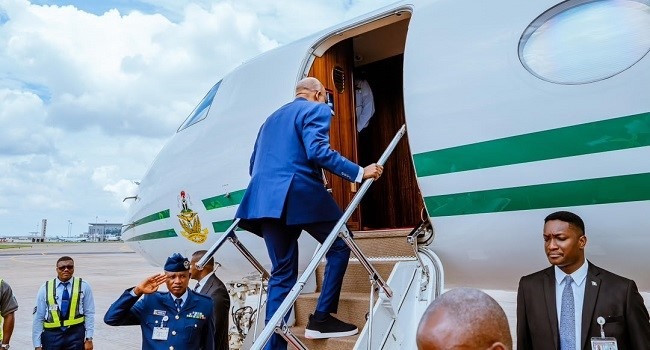
The Presidency has therefore maintained that Nigeria remains fully represented at the General Assembly despite the President’s personal absence.
What can be established from the available information?
It is established that Tinubu attended the 78th UNGA in 2023 and has not personally attended the high-level UNGA in 2024, 2025 or 2026.
It is also established that the Presidency has publicly attributed the 2026 absence to Tinubu’s working vacation and domestic priorities, while assigning Shettima to represent Nigeria.
It is established that historical U.S. legal records involving Tinubu are the subject of renewed public discussion and that a current FOIA dispute concerns requests for additional U.S. government records.
What is not established by the evidence reviewed for this explainer is that those historical U.S. records or the current FOIA litigation caused Tinubu to stay away from the 2026 UNGA.
Conclusion
President Bola Ahmed Tinubu is not personally attending the 81st United Nations General Assembly in New York in 2026, making it his third consecutive absence from the high-level gathering after he attended in 2023.
The Presidency says the decision is connected to Tinubu’s ongoing working vacation and his focus on domestic priorities, including the economy and security, while Vice President Kashim Shettima represents Nigeria at the General Assembly.
The President’s absence has nevertheless generated political questions, particularly because it is the third consecutive year that he has delegated Nigeria’s UNGA representation to Shettima. Some of those questions have focused on Tinubu’s historical U.S. legal records and the current FOIA litigation concerning access to government records.
Tinubu’s 2023 attendance at the UNGA is also relevant to the discussion. He travelled to New York that year, participated in the General Assembly and held other engagements in the United States.
The available evidence therefore supports a distinction between the reasons officially given by the Presidency and other explanations or questions being raised by political actors and commentators. Where there is no direct statement from the government or other credible evidence establishing a connection between two events, the connection should remain presented as a question or allegation rather than as an established reason.