FactCheckAfrica and FIAP Launch Training Camp for Social Media Influencers to Strengthen Electoral Integrity Ahead of Nigeria’s 2027 Elections


Enugu, Nigeria | 6 July 2026
The Fundación para la Internacionalización de las Administraciones Públicas (FIAP), through its implementing partner FactCheckAfrica, has commenced a three-day regional training camp aimed at strengthening the role of social media influencers in promoting verified information, countering electoral disinformation, and advancing peaceful democratic participation ahead of Nigeria’s 2027 general elections.
The training camp, titled “Voices That Count: Training Camps for Social Media Influencers on Electoral Integrity”, is taking place from 6–8 July 2026 at Carlton Swiss Hotels, Independence Layout, Enugu, under Activity 3.1.5a(3)ii of the EU Support to ECOWAS in Peace, Security and Governance (EPSG) Project.
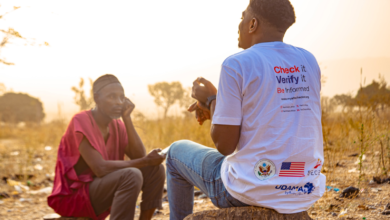
Branded under the public campaign #CheckBeforeYouPost: Gen Z Creatives for Electoral Integrity, the Enugu camp brings together 30 social media influencers, digital creators, communicators, and online community leaders from Nigeria’s South-East, South-South and South-West geopolitical zones. The participants collectively represent audiences numbering in the millions across platforms, including Instagram, TikTok, X (formerly Twitter), Facebook and LinkedIn.
The initiative recognises the increasingly influential role of digital creators in shaping public opinion, particularly among young Nigerians. It seeks to ensure that online influence becomes a force for democratic resilience rather than a channel for misinformation, hate speech and political manipulation.
Over the three-day camp, participants will receive intensive, hands-on training covering Nigeria’s evolving electoral information ecosystem, fact-checking and verification techniques, Open Source Intelligence (OSINT), AI-generated content detection, ethical amplification, conflict-sensitive communication, platform algorithms, digital storytelling, campaign design, and online safety.
Unlike traditional workshops, the programme adopts a production-focused training camp model that prioritises practical content creation. Participants will work collaboratively to produce electoral integrity campaign materials, develop platform-specific communication strategies, and prepare pilot digital campaigns for deployment within two weeks after the training.
A major outcome of the programme will be the unveiling and adoption of the Charter of Ten Principles for Electoral Integrity, a voluntary code of ethical commitments developed to guide responsible online engagement during electoral periods. Participants are also expected to contribute to the development of a Responsible Influencer Kit, a repository of campaign templates, messaging guides, visual assets, and platform-specific resources that will support wider civic education efforts across Nigeria.
Speaking on the significance of the initiative, Abideen Olasupo, Founder of FactCheckAfrica, said the growing influence of social media creators makes them indispensable partners in protecting democratic processes.
“For millions of young Nigerians today, political information no longer comes first from newspapers or television; it comes from the people they follow online. This reality presents both enormous opportunities and significant risks. Through this initiative, we are equipping influencers with the skills to verify information before amplifying it, communicate responsibly during elections, and use their platforms to strengthen rather than undermine democratic participation.”
He noted that while misinformation continues to evolve with advances in artificial intelligence and digital technologies, strengthening the capacity of trusted online voices remains one of the most effective ways of building resilience against information disorder.
The Enugu training camp is the first of three major activities under this component of the EPSG Project. It will be followed by a second regional training camp for Northern Nigeria and an exhibition event that will bring together Nigerian and international participants to showcase participant-led campaigns and strengthen regional collaboration on electoral information integrity.
The programme places particular emphasis on the participation of women and young creators, reflecting FIAP’s commitment to promoting inclusive democratic participation and ensuring that those who shape online conversations are equipped with ethical frameworks and practical verification skills.
This activity is organised by the Fundación para la Internacionalización de las Administraciones Públicas (FIAP) in collaboration with FactCheckAfrica, under the framework of the EU Support to ECOWAS in Peace, Security and Governance (EPSG) Project.
The Fundación para la Internacionalización de las Administraciones Públicas (FIAP) is the Spanish Cooperation institution specialised in promoting the participation of public administrations in international cooperation programmes. Operating in more than 120 countries, FIAP mobilises public sector expertise to strengthen public institutions, democratic governance, and sustainable development through peer-to-peer cooperation.
Within the EPSG Project, FIAP co-implements Component 3 alongside GIZ (Deutsche Gesellschaft für Internationale Zusammenarbeit), supporting electoral integrity through the prevention of electoral violence and the countering of misinformation, disinformation and hate speech across West Africa.
The EU Support to ECOWAS in Peace, Security and Governance (EPSG) Project is a multi-donor initiative designed to strengthen peace, democratic governance and regional stability within ECOWAS Member States. The project is jointly financed by the European Union (EU), the German Federal Ministry for Economic Cooperation and Development (BMZ), and the Ministry of Foreign Affairs of Denmark (MOFA).
For media enquiries: Email: factcheckelections@gmail.com Telephone: +2347068775529
Website: https://factcheckafrica.net